Artificial intelligence (AI) and machine learning (ML) are no longer technological narratives of the future. Today, they influence our decisions, the way we work, and the direction of the global economy. From e-commerce to medicine, from agriculture to energy, AI is evolving rapidly and critically impacting every aspect of business operations.
But how ready are Greek businesses to seize this opportunity? What does the integration of artificial intelligence mean in practice and how can companies harness this power without getting lost in the translation of technological terminology? Our article today attempts to delve deeper into the relationship between AI and entrepreneurship, not as a theory, but as a transformative force.
From Theory to Practice: Where We Are Today
Machine learning is not just an “algorithm that learns.” It is the tool with which huge amounts of data can be analyzed, patterns identified, and predictions produced with accuracy far superior to classical statistical methods.
In the Greek market, many companies are already using AI without calling it that:
- CRM tools that predict which customer is most likely to buy again.
- Logistics systems that suggest the ideal route based on weather, traffic and cost.
- Advertising campaigns with automated audience targeting.
These applications are based on developments made possible by:
- Huge volumes of data, which are now collected in every transaction.
- Advanced processors (GPU/TPU) that support complex calculations.
- Algorithms that "understand" human language, images, and environment.
- Cloud infrastructures that provide AI-as-a-service even to small businesses.
The Situation in Greece: Progress with Obstacles
Although Greek businesses are showing interest, actual adoption of AI is still limited. The main reasons are:
- Lack of expertise: Small and medium-sized businesses do not have internal IT or data science teams.
- Fear of cost: They often believe that AI solutions require a huge investment.
- Unclear strategy: It is not always clear where AI can be practically applied in a Greek business.
However, the potential is huge, especially in sectors such as:
Tourism (occupancy forecast, dynamic prices)
Commerce (personalized customer experiences)
Health (medical image analysis, morbidity prediction)
New Trends: The AI It is no longer a monolithic concept.
Artificial intelligence today is not a single system. It follows a variety of directions, each of which opens up new avenues:
- Federated Learning: Training models without sending data. Ideal solution for GDPR and personal data.
- AutoML: Automate the process of model selection and optimization without the need for expertise.
- Explainable AI: Models that explain their logic, crucial for industries such as justice, health or banking.
- AI Ethics: Developing technology with principles to avoid creating biased or harmful outcomes.
- Edge AI: Running AI locally (e.g. on POS, cameras, routers) without the need to connect to a central cloud.
OR AI in Critical Business Areas
AI integration does not happen horizontally. Each industry has its own needs, pace and opportunities. In Greece, real progress will be made when AI is integrated into the "core" of the operation, not just in marketing or customer service.
Indicative examples:
- Construction & real estate: Project risk assessment through historical data.
- Industry: Preventive equipment maintenance, quality control with computer vision.
- Shipping: Route predictions, automatic load control, fuel management.
- Agri-food: Soil analysis, weather forecasting, precision fertilizer application.
New Professions & Needs
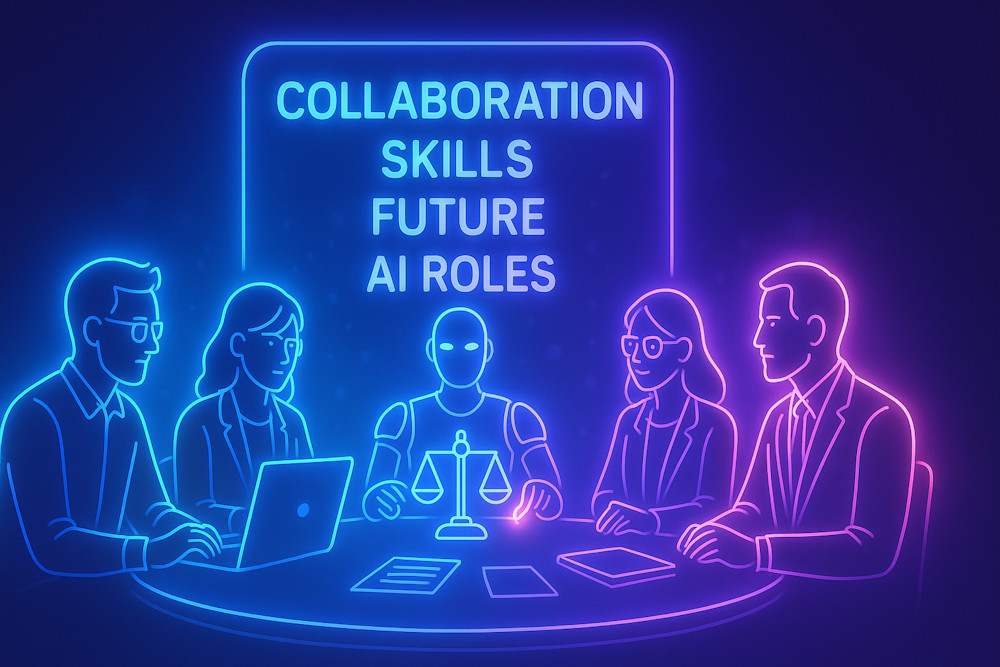
AI doesn't just replace roles, it creates new ones. Every organization that integrates AI needs:
- ML Engineers and MLOps experts
- Business translators who bridge needs and technical teams
- AI Product Managers
- Experts in ethical technology and regulatory compliance
These professions require a combination of technical and humanistic skills. The need for interdisciplinarity is becoming a survival criterion for organizations.
Ethical and Regulatory Issues: The AI It Must Be Reliable
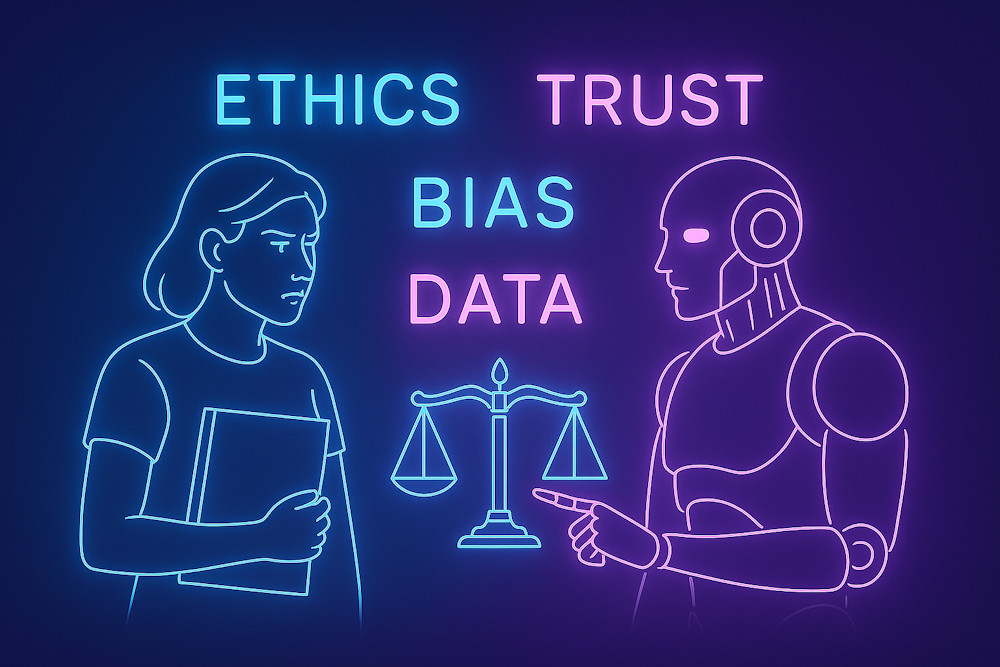
The reliability of AI systems is linked to:
- Addressing biases in data
- Transparency in decisions (Explainability)
- Security from attacks (Adversarial inputs)
- Compliance with the legal framework (GDPR, EU regulations)
- Environmental footprint, because large models require huge amounts of energy
Businesses that invest in “ethical AI” not only protect their brand, but also gain the trust of customers, investors, and partners.
What is the Role of Business in the AI Era?
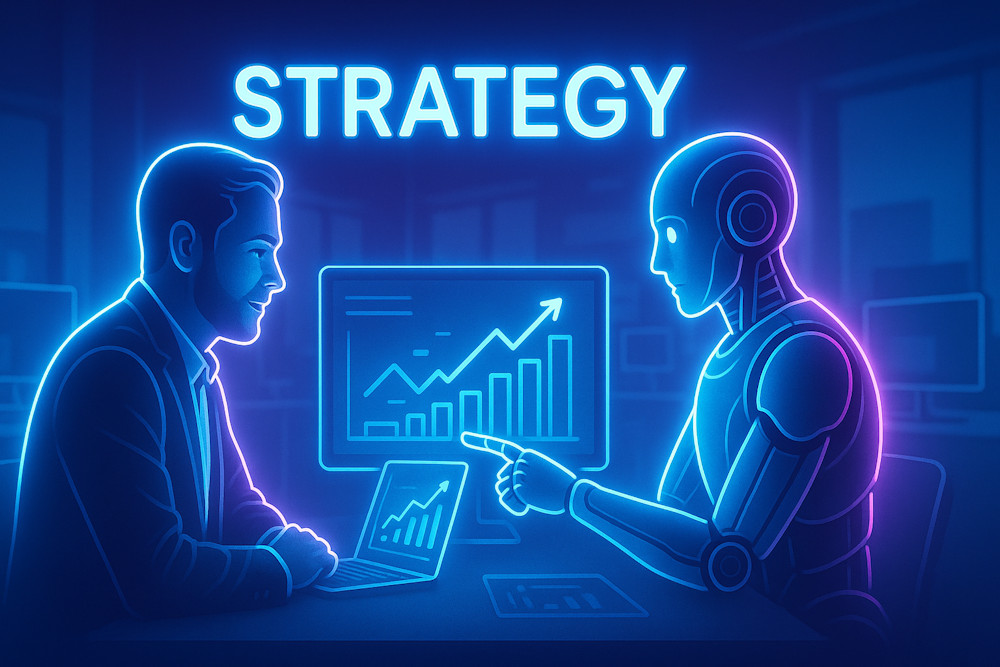
The answer is not technical but strategic. The business does not need to “know AI.” It needs to:
- Vision of where it can be used
- Partners who can translate its needs into technological solutions
- A mindset of experimentation and continuous learning
AI is not a panacea, but it is a tool, and a powerful one at that. The difference will be made by the business that learns how to utilize it intelligently, responsibly, and with strategic direction.
OR MediaBranch He is the Partner You Are Looking For
At MediaBranch, we help businesses understand, implement, and leverage AI in their real-world environments. From personalized recommendation engines to customer data analysis and custom ML solution development, we're there for you every step of the way.
Contact us today and build the future of your business with tools that make a difference.